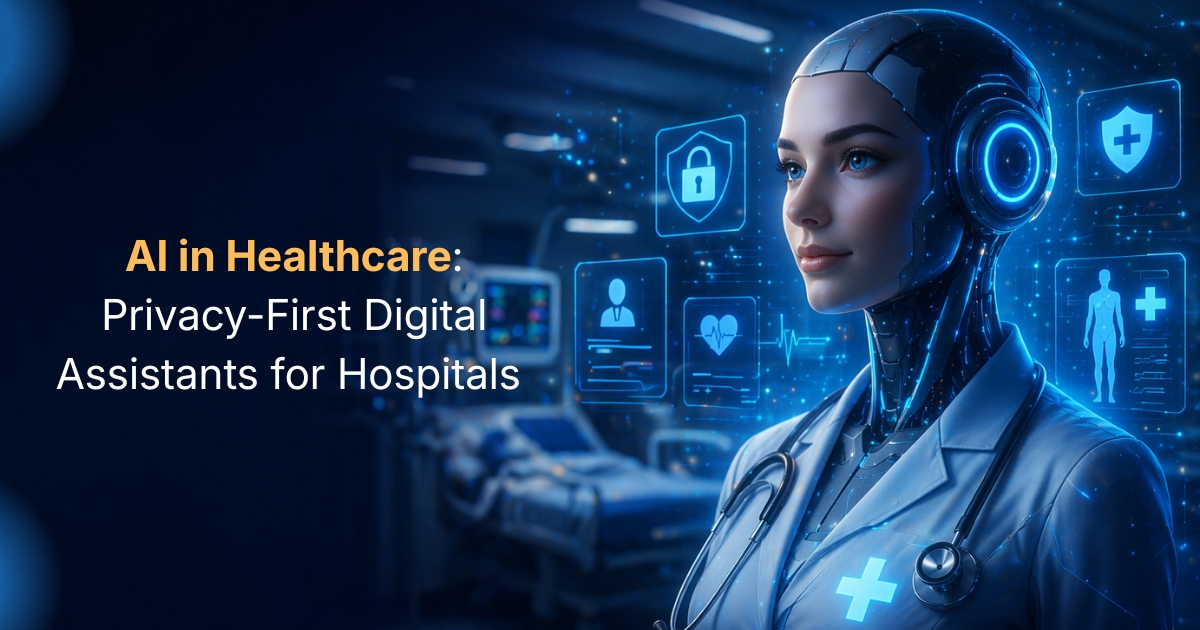
The healthcare industry is rapidly evolving with the adoption of AI in healthcare, transforming how hospitals interact with patients, manage operations, and deliver services. From patient registration to diagnosis support, artificial intelligence is playing a crucial role in improving efficiency and outcomes.
However, as hospitals embrace digital transformation, one critical concern continues to dominate discussions—data privacy.
Patient information is highly sensitive, and any compromise can lead to serious legal, ethical, and reputational consequences. This is where privacy-first AI solutions, especially digital human avatars, are emerging as the next generation of patient assistant AI.
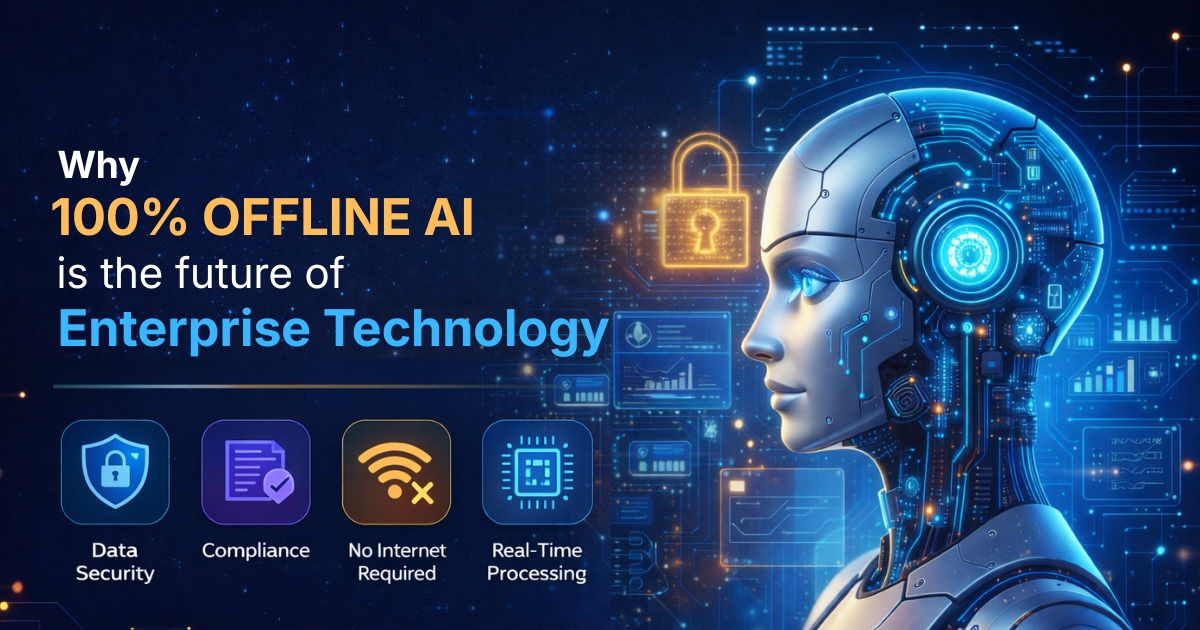
Unlike traditional systems, these solutions are designed to operate securely, often without relying on cloud infrastructure, making them a powerful healthcare chatbot alternative.
The Growing Role of AI in Healthcare
The adoption of AI in healthcare is no longer optional—it is becoming essential. Hospitals and clinics are increasingly using AI to:
Automate administrative tasks
Improve patient engagement
Enhance diagnostic accuracy
Reduce operational costs
Provide 24/7 assistance
AI-powered systems can handle thousands of interactions daily, ensuring that patients receive timely support without overwhelming hospital staff.
From virtual assistants to intelligent kiosks, hospital automation is helping healthcare providers streamline workflows and focus more on patient care.
Challenges in Traditional Hospital Systems
Despite advancements, many hospitals still struggle with operational inefficiencies and patient experience issues:
Long Waiting Times
Patients often wait for assistance at reception desks or inquiry counters.
Staff Overload
Front desk and support staff are overwhelmed with repetitive queries.
Language Barriers
Hospitals serve diverse populations, making communication difficult.
Data Privacy Risks
Cloud-based systems may expose sensitive patient data to external servers.
Inconsistent Information
Patients may receive different answers from different staff members.
These challenges highlight the need for intelligent, reliable, and secure solutions.
What is a Privacy-First Digital Assistant in Healthcare?
A privacy-first digital assistant is an AI-powered system designed to interact with patients while ensuring that sensitive data remains secure.
These assistants—often powered by digital human avatars—can:
Communicate using natural voice
Understand patient queries
Provide accurate, consistent responses
Operate in multiple languages
Function without internet dependency (in advanced systems)
This makes them an ideal patient assistant AI for modern hospitals.
Why Privacy Matters in Healthcare AI
Healthcare data is among the most sensitive types of information. It includes:
Personal identification details
Medical history
Diagnostic reports
Financial and insurance information
Any breach can result in:
Legal penalties
Loss of patient trust
Compliance violations
This is why hospitals must prioritize secure AI systems that comply with global standards like:
GDPR (Europe)
HIPAA (USA)
Local data protection laws
A healthcare chatbot alternative that processes data locally (on-device AI) significantly reduces these risks.
How Privacy-First AI Works in Hospitals
Modern AI systems like digital human avatars use a combination of technologies:
Speech Recognition (ASR)
Converts patient voice into text
AI Language Models
Understands intent and generates responses
Text-to-Speech (TTS)
Provides natural voice responses
On-Device Processing
Ensures all data is processed locally without cloud dependency
Platforms like Dihuava are designed to operate fully offline, ensuring:
Zero data transmission
High-speed interaction
Maximum data security
Digital Human Avatars as Patient Assistant AI
Digital human avatars are redefining AI in healthcare by offering a human-like interaction experience.
Key Capabilities:
Greet and guide patients
Provide directions within hospital premises
Assist with appointment booking
Explain procedures and services
Communicate in multiple languages
Unlike traditional chatbots, these avatars combine voice, visual presence, and intelligence, making them a superior healthcare chatbot alternative.
Real-World Use Cases in Hospitals
Patient Reception & Guidance
AI avatars act as virtual receptionists, reducing waiting time.
Appointment Assistance
Patients can schedule or check appointments easily.
Multilingual Support
Helps patients communicate in their preferred language.
Information Desk Automation
Answers FAQs about departments, doctors, and services.
Wayfinding Assistance
Guides patients to departments, labs, or rooms.
Benefits of AI in Healthcare
Improved Patient Experience
Faster service and better communication
Reduced Staff Workload
Automation of repetitive tasks
Enhanced Data Privacy
Secure handling of sensitive information
24/7 Availability
Continuous support without breaks
Consistent Information Delivery
Standardized responses across all interactions
Hospital Automation: The Bigger Picture
Hospital automation goes beyond just patient interaction. It includes:
Workflow management
Resource allocation
Patient record handling
Smart diagnostics
AI-powered systems are becoming central to building smart hospitals, where efficiency and patient care go hand in hand.
AI vs Traditional Healthcare Chatbots
Feature
Chatbots
AI Digital Assistants
Interaction
Text-based
Voice + Visual
Engagement
Low
High
Personalization
Limited
Advanced
Privacy
Cloud-dependent
On-device possible
This clearly shows why digital human avatars are a better healthcare chatbot alternative.
The Future of AI in Healthcare
The future of AI in healthcare lies in:
Fully autonomous patient interaction systems
Personalized healthcare experiences
Advanced predictive analytics
Seamless integration with hospital systems
Privacy-first, on-device AI will play a major role in ensuring secure and scalable deployments.
Conclusion
The integration of AI in healthcare is transforming hospitals into smarter, more efficient, and patient-friendly environments. However, with this transformation comes the responsibility of protecting sensitive data.
Privacy-first digital assistants, especially digital human avatars, offer the perfect balance between innovation and security. As a powerful patient assistant AI, they not only enhance patient experience but also ensure compliance and trust.
Hospitals that adopt these technologies today will be better prepared for the future of healthcare.
Get Started with AI Healthcare Solutions
Looking to implement secure and intelligent AI solutions in your hospital?
👉 Contact HS Global AI to explore privacy-first digital human avatar solutions designed for healthcare environments.